
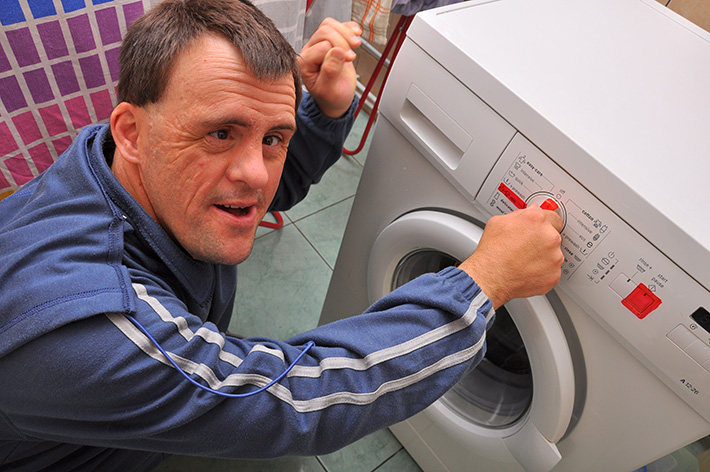
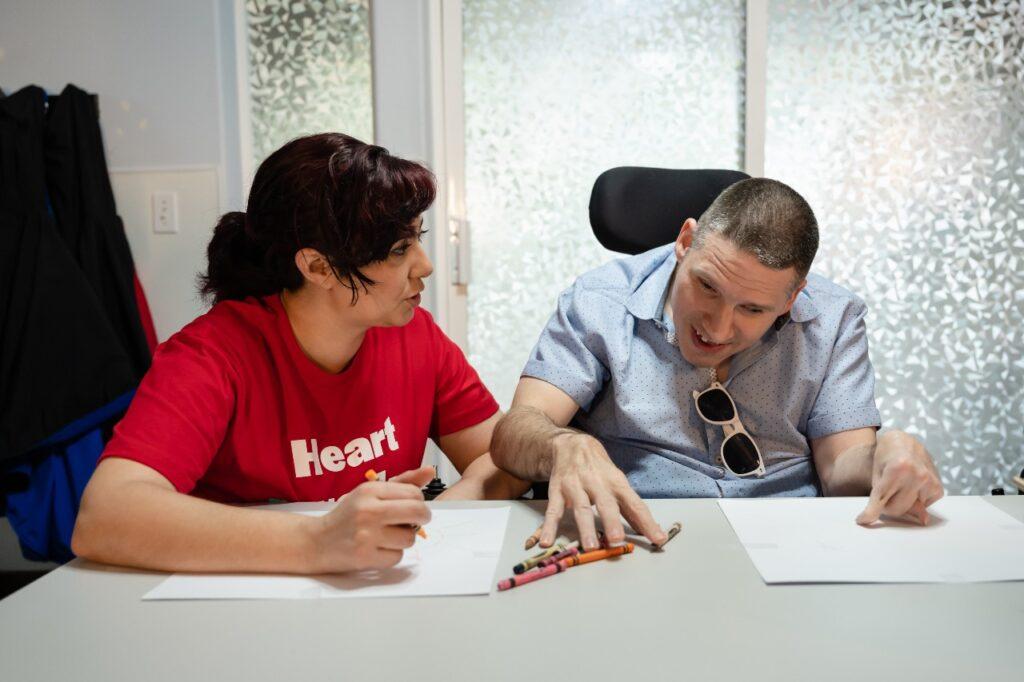
Sponsored residential services take place in a licensed or DBHDS authorized sponsored residential home. These services shall consist of skill-building, routine supports, general supports, and safety supports, provided in a licensed or approved residence that enable a person to acquire, retain, or improve the self-help, socialization, and adaptive skills necessary to reside successfully in home and community-based settings. Sponsored residential services to the individual in the form of continuous (up to 24 hours per day) services performed by the sponsor family. Sponsored residential support includes the expectation of the presence of a skills development component, along with the provision of supports, as needed. These supports may be provided individually or simultaneously to up to two individuals living in that home, depending on the required support. Maximum 1:2
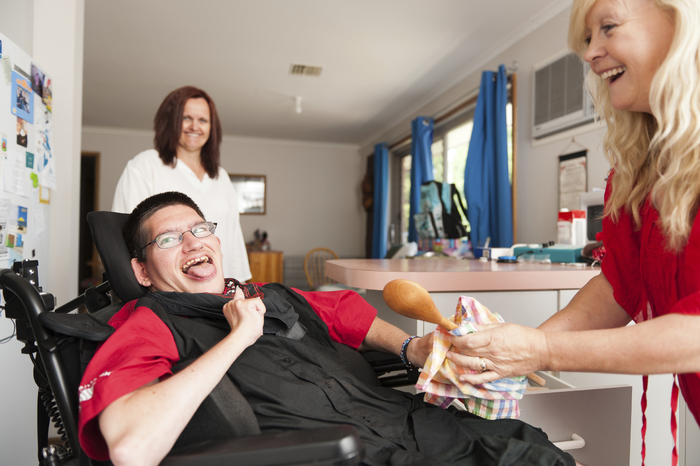
Supported living takes place in an apartment setting operated by a DBHDS licensed provider. These services shall consist of skill-building, routine supports, general supports, and safety supports, that enable an individual to acquire, retain, or improve the self-help, socialization, and adaptive skills necessary to reside successfully in home and community-based settings. Supported living residential services to the individual in the form of ‘round the clock availability of staff services performed by paid staff who have the ability to respond in a timely manner. These supports may be provided individually or simultaneously to more than one individual living in that home, depending on the required support. Allowable activities include, but are not limited to:
◦ using community resources;
◦ personal care activities;
◦ developing friends and having positive relationships;
◦ building skills;
◦ daily activities in the home and community; and
◦ skill-building;
◦ routine supports; and
◦ safety supports, any of which enable an individual to acquire, retain, or improve the self-help, socialization, and adaptive skills necessary to reside successfully in home and community-based settings.
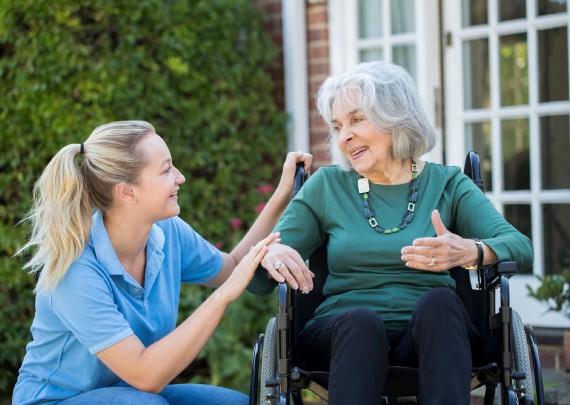
◦ It is permissible to bill this service for up to three people at a time (e.g., siblings); however, the per person reimbursement rate decreases with each additional individual. A backup plan for times when In-Home Supports cannot be provided as regularly scheduled must be in place.